#5: European Robins – Magnetic Navigation Information
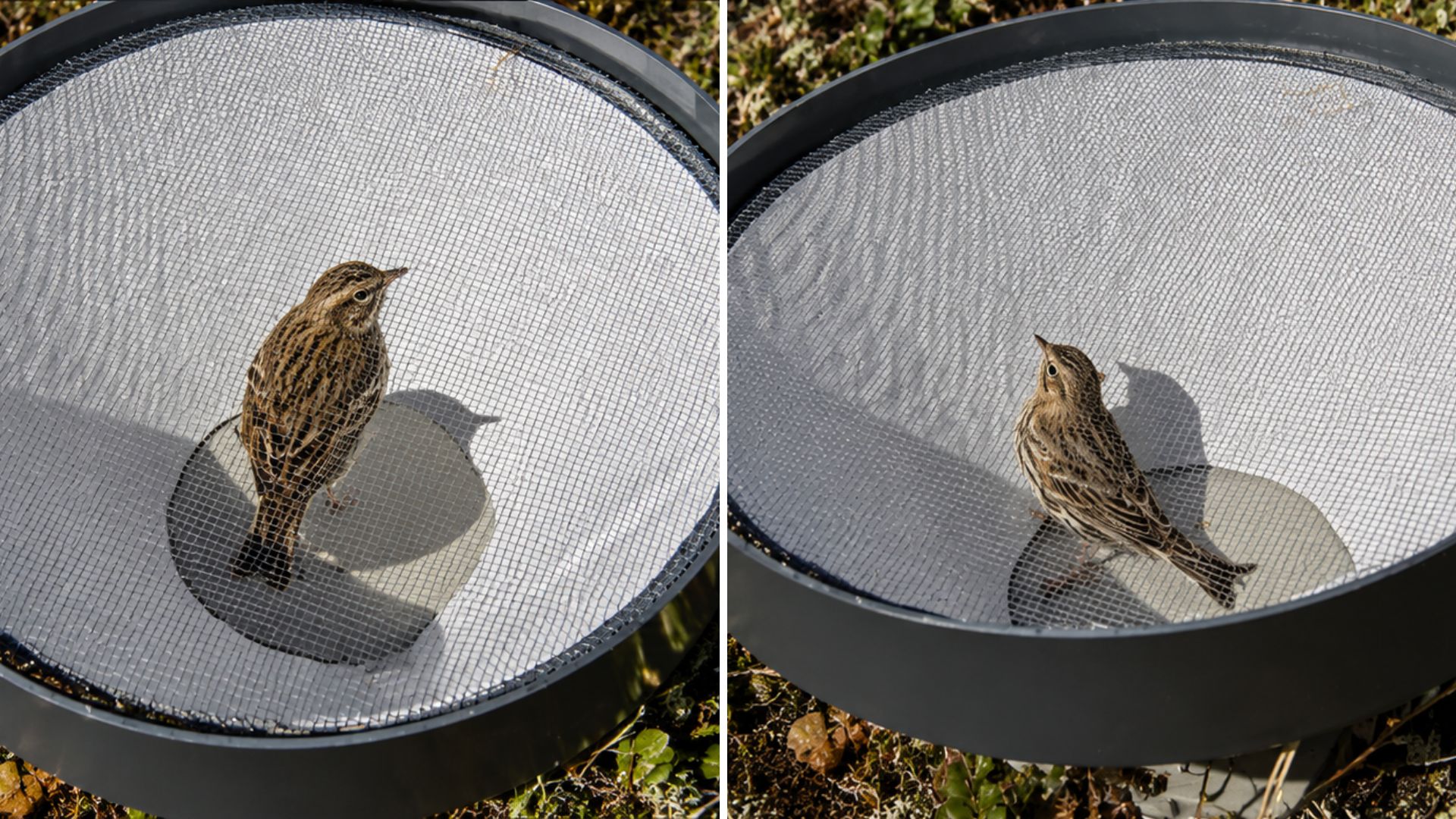
A European robin migrating at night has access to directional information that humans cannot consciously perceive. Decades of behavioral experiments have shown that these birds can orient using Earth’s magnetic field, particularly under conditions relevant to migration. Their magnetic compass is unusual because it appears sensitive to the inclination of magnetic field lines rather than simply distinguishing magnetic north from south in the way an ordinary compass does. Evidence also suggests that light plays an important role in this sensory system. One leading hypothesis involves cryptochrome proteins in the retina and quantum-sensitive chemical reactions that could allow magnetic information to influence visual processes. That mechanism remains an active area of research, and scientists continue investigating exactly how the bird’s nervous system converts magnetic effects into useful directional information. Experiments manipulating magnetic fields around captive robins can change the direction in which they attempt to orient, providing powerful behavioral evidence even while the underlying receptor is debated. Artificial electromagnetic noise can also interfere with magnetic orientation under some experimental conditions.