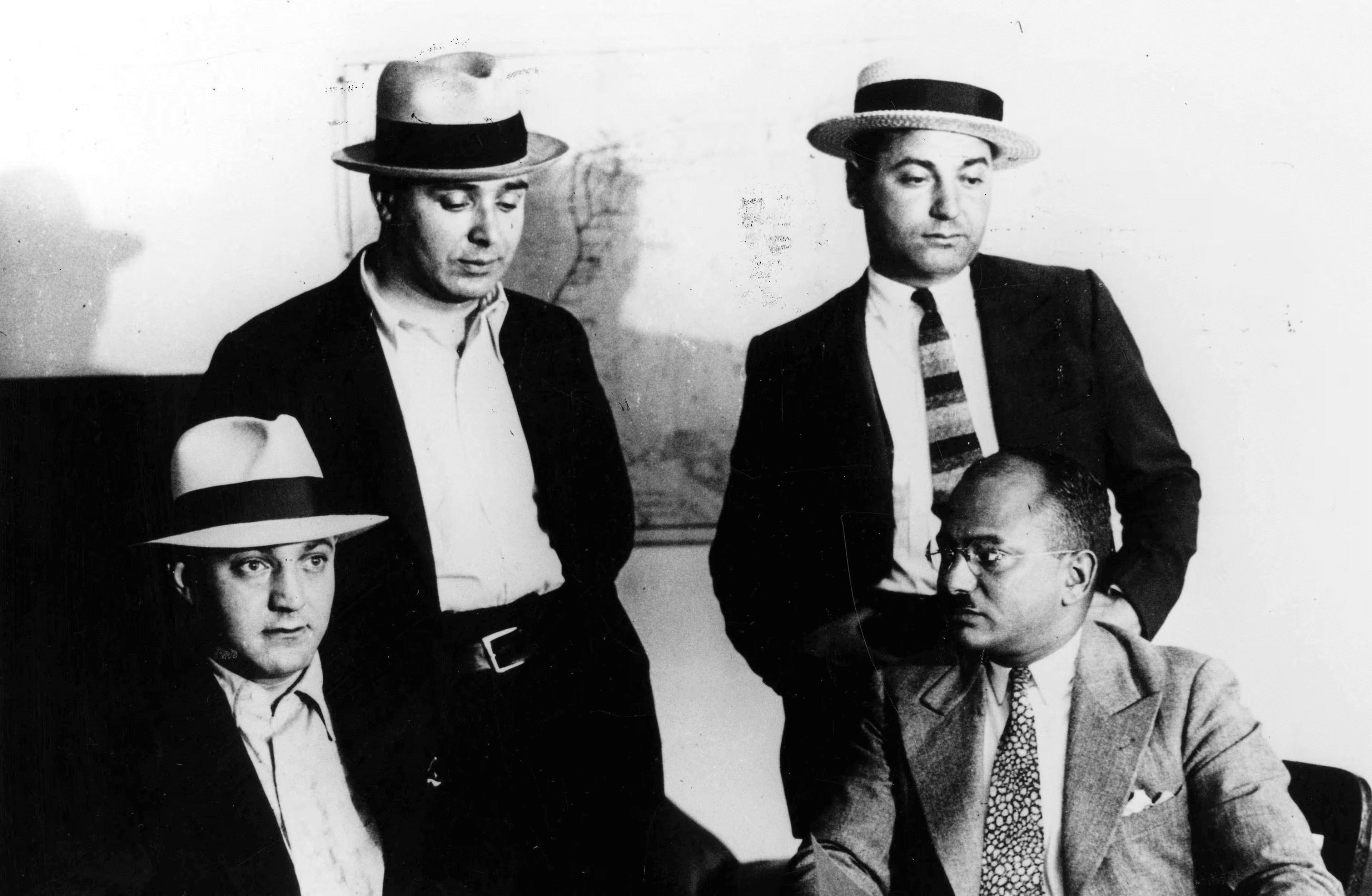
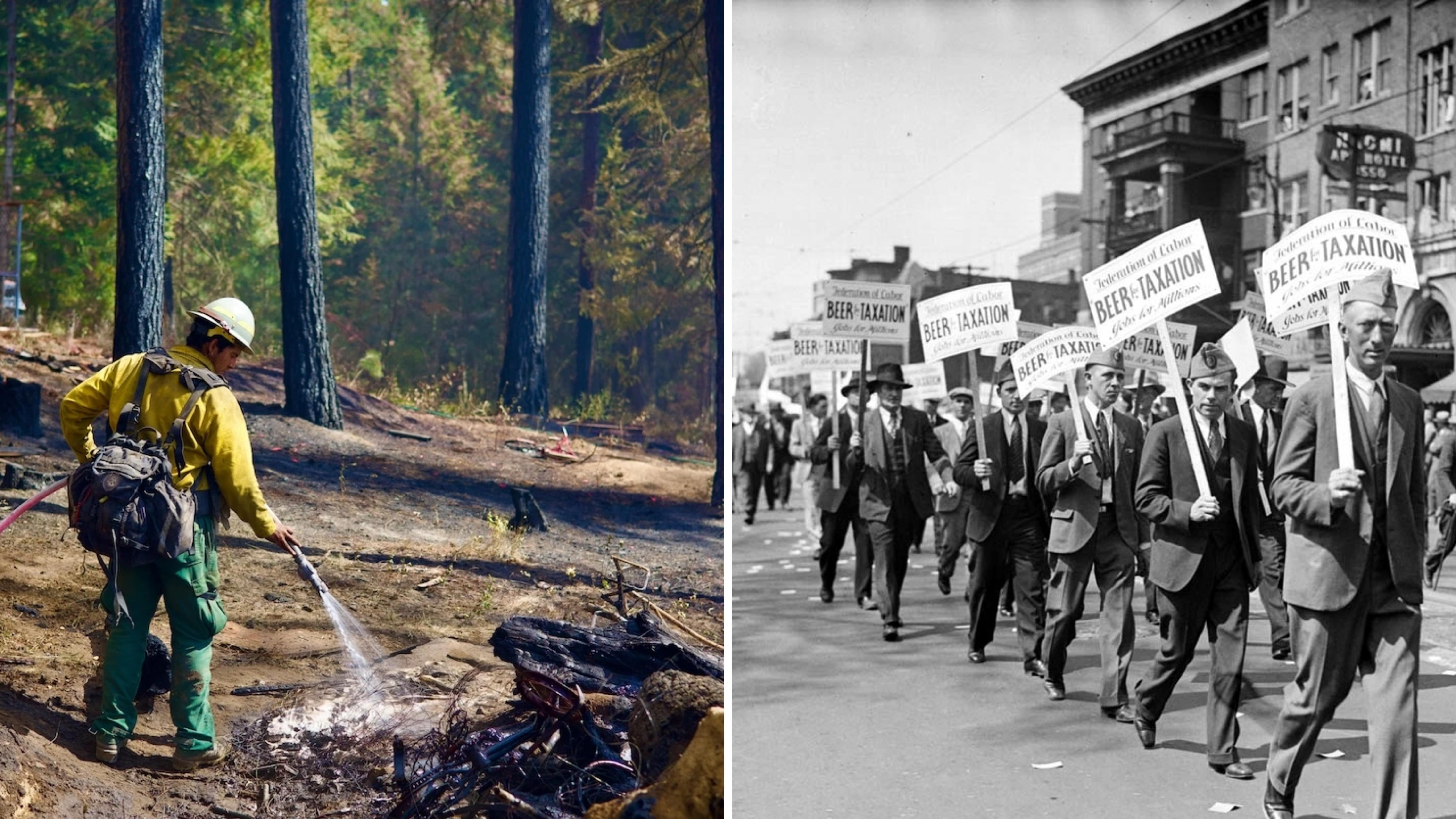
The photographs are often the first things to make us wonder. A crowded street where there should have been room to walk, a landscape changed beyond recognition, or a family standing outside a home they would soon have to leave. Behind these moments were decisions that once sounded perfectly reasonable to the people making them. Governments have always tried to solve difficult problems, and history gives us plenty of reasons to appreciate those efforts. However, even a carefully planned intervention can produce consequences nobody anticipated. Sometimes the original problem survives while a new one develops alongside it. These episodes reveal what happened when ambitious policies collided with human behavior, economic realities, or the natural world. Their outcomes weren’t always entirely negative, but the unintended damage deserves a closer look.
#1: Prohibition Creates a Lucrative Criminal Market
Al Capone didn’t invent America’s appetite for alcohol. What changed was the enormous amount of money someone could make by supplying it illegally. When national Prohibition took effect in January 1920, supporters hoped to reduce drunkenness, poverty, domestic violence, and the social problems associated with heavy drinking. The Eighteenth Amendment and the Volstead Act prohibited the manufacture, transportation, and sale of alcoholic beverages for ordinary commercial purposes. Drinking itself wasn’t generally made illegal, and the law contained exemptions for medicinal and religious use.