Success looks wonderfully simple from a distance. A writer produces an unforgettable character, a composer creates a melody that fills museum walls. Years pass, the work becomes part of the culture, and its creator’s name is permanently attached to it. That neat version of events often leaves out one person’s opinion: the creator’s. Perfectionists destroyed pages, scores, and canvases before anyone else could judge them, while a few dying authors asked friends to erase what would later be considered masterpieces. Not every case was outright hatred. Sometimes the feeling was embarrassment, unease, disappointment, or the suspicion that a popular success had hidden more important work from view. Taken together, these stories show how little control an artist has once a creation begins living in other people’s imaginations.
#1: Arthur Conan Doyle’s Frustration with Sherlock Holmes
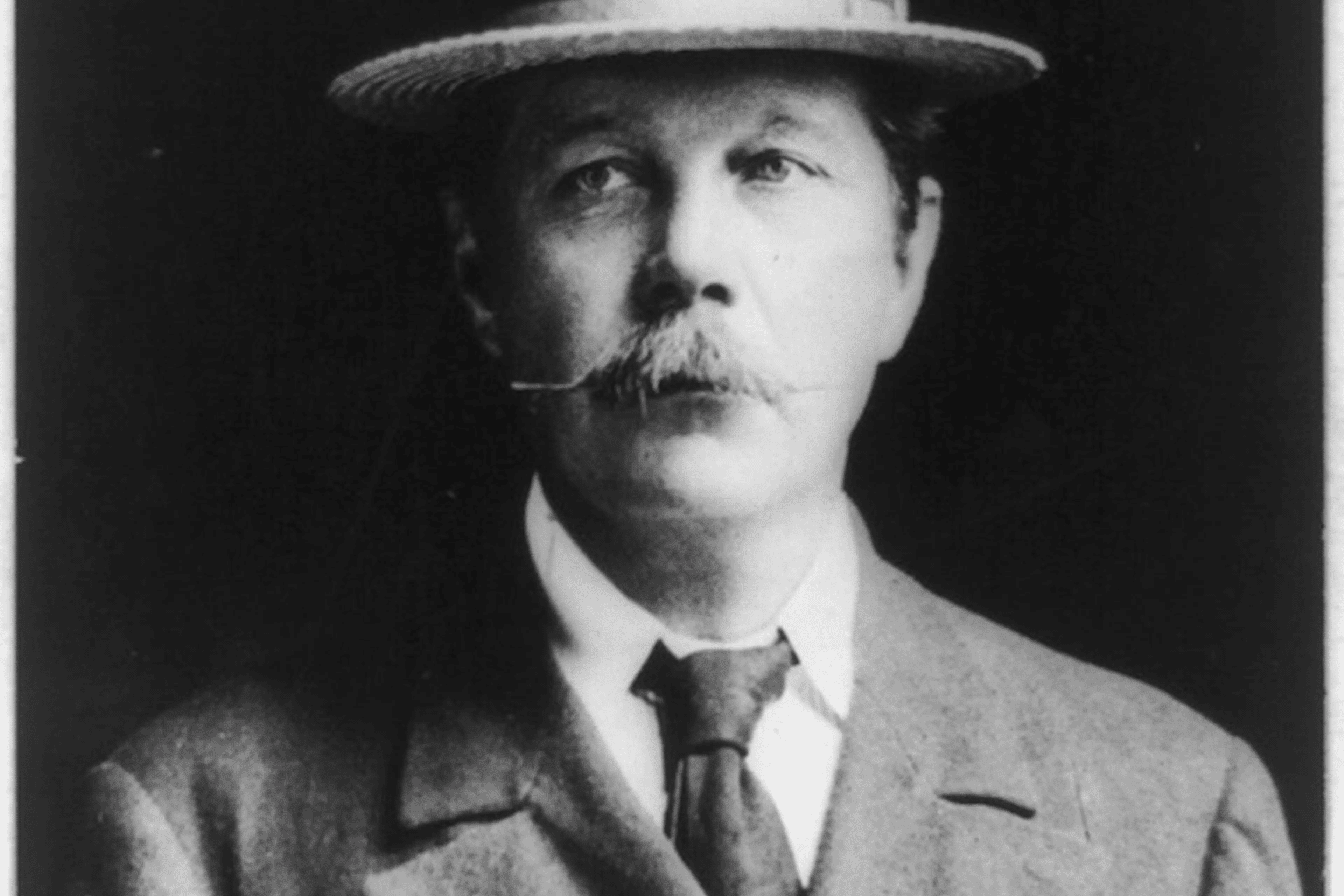
London readers did not treat Sherlock Holmes like an ordinary fictional character. When he disappeared over Switzerland’s Reichenbach Falls with Professor Moriarty in “The Final Problem,” subscribers reportedly canceled The Strand Magazine, and grieving admirers demanded an explanation. Conan Doyle had expected relief. The detective’s adventures paid handsomely, but they consumed time he wanted to devote to historical novels such as The White Company and Micah Clarke, which he considered more substantial achievements.