A house can look completely ordinary while hiding an impressive network of defenses against the environment. In regions shaped by hurricanes, floods, wild temperature swings, snowstorms, or unstable ground, seemingly minor architectural choices can determine whether a building survives or suffers catastrophic damage. Engineers have learned to redirect wind, control water, manage heat, and even accommodate the movement of the earth itself rather than simply trying to overpower nature. Some of these solutions are highly visible, while others disappear almost completely into walls, roofs, and foundations. Keep reading to discover the clever engineering features that help homes remain standing when the conditions outside become anything but ordinary.
#1: Steep Roofs Turn Gravity Into a Defense Against Heavy Snow
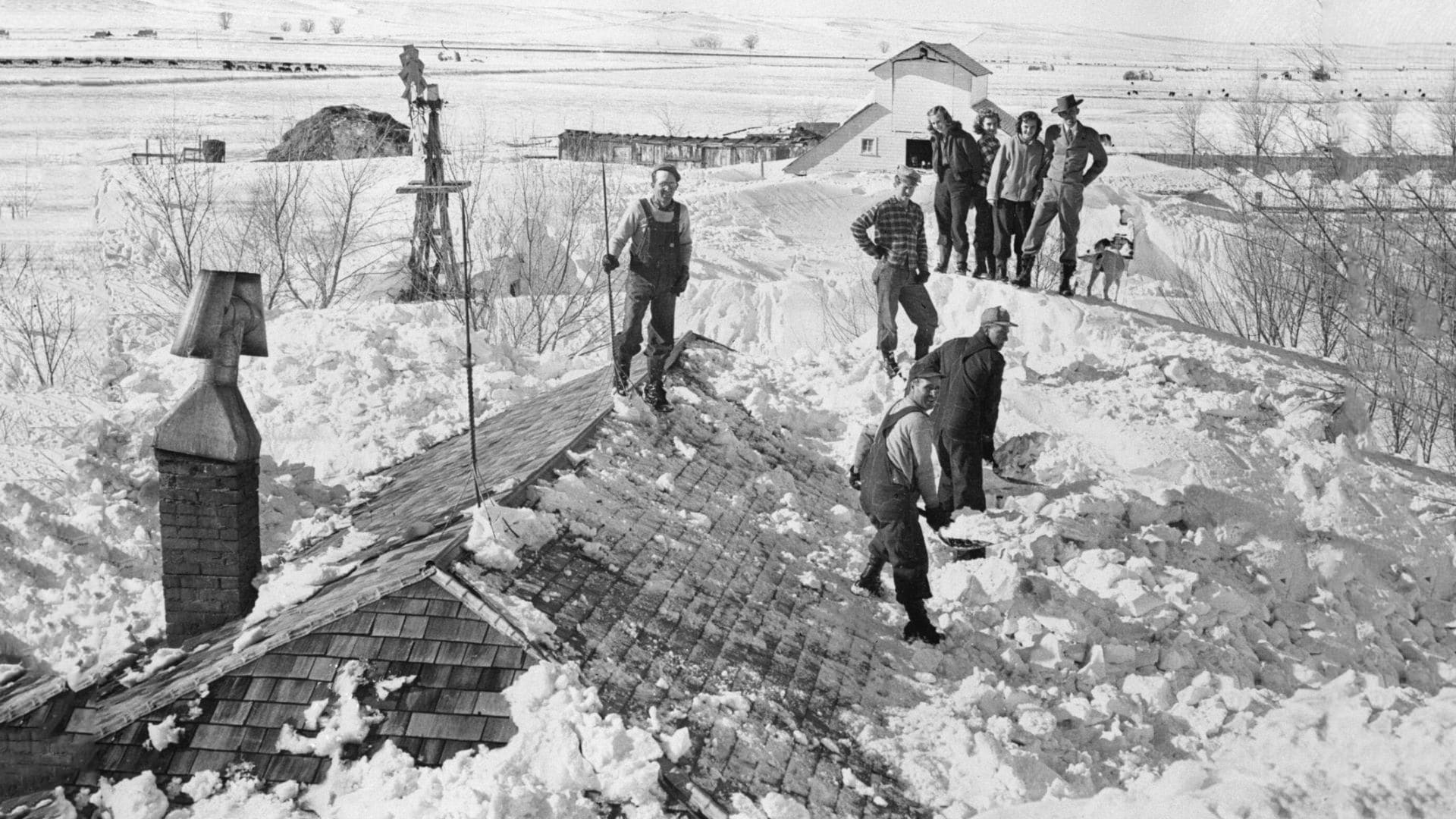
A picturesque steep roof in a snowy region is doing considerably more than creating a traditional alpine appearance. As snow accumulates, every additional layer adds weight that the roof structure must support, and wet snow can become particularly heavy. Engineers therefore use steeper roof pitches in areas with substantial snowfall so gravity can encourage snow to slide away before dangerous loads develop. Roof design is also calculated around local snow-load requirements, structural materials, insulation, and expected weather conditions rather than appearance alone. Proper ventilation and insulation can further reduce uneven melting that contributes to troublesome ice dams along roof edges.