Preserving the past sounds simple until somebody has to touch it. A fragile manuscript cannot repair its own torn parchment, a crumbling fresco cannot stop moisture from reaching the wall, and an ancient sculpture may eventually need more than careful dusting. That leaves museums, churches, collectors, and conservators facing an uncomfortable choice: doing nothing can allow a treasure to deteriorate, yet the wrong intervention may cause damage that centuries of ordinary aging never managed to accomplish. Earlier generations faced an additional problem. Materials once considered perfectly suitable for preservation later proved destructive, from industrial adhesives to plastic laminates. Then there are the less technical disasters, where good intentions met a paintbrush and confidence greatly exceeded experience. Several objects below were eventually rescued by later specialists. With a few, pieces of the original were gone for good. The painful irony remains the same in every case. Nobody set out to damage history. They were trying to save it.
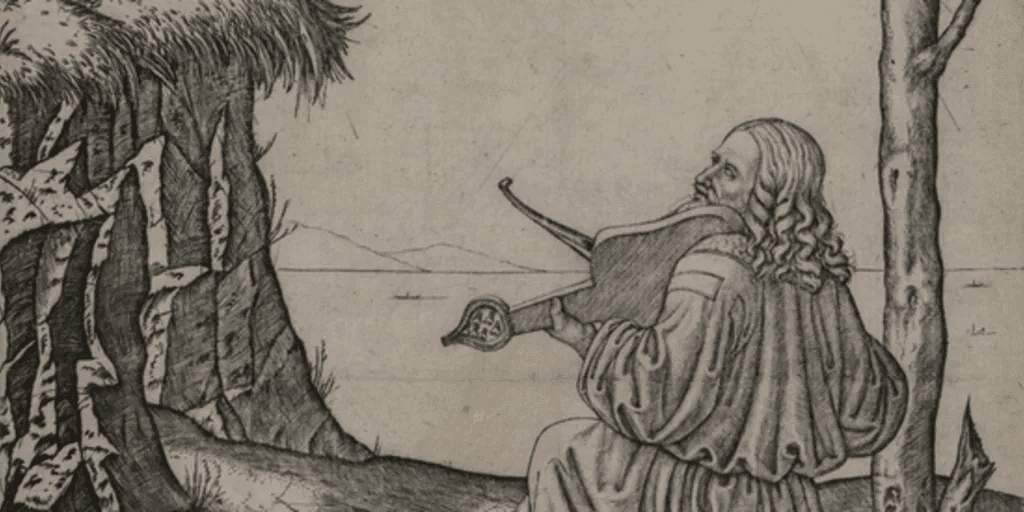
#1: Leonardo’s Lost Orpheus Drawing
There was hardly time to celebrate the discovery. Leonardo scholar Carlo Pedretti had identified a previously unknown drawing showing Orpheus being attacked by the Furies, a delicate work associated with material from the artist’s notebooks. Then conservation began. To separate the sheet from its backing, restorers immersed it in a mixture containing distilled water and alcohol, a treatment that might have been uneventful if the ink had first been tested properly. It had not. Leonardo’s yellowish-green ink began dissolving into the liquid, and the image faded away.