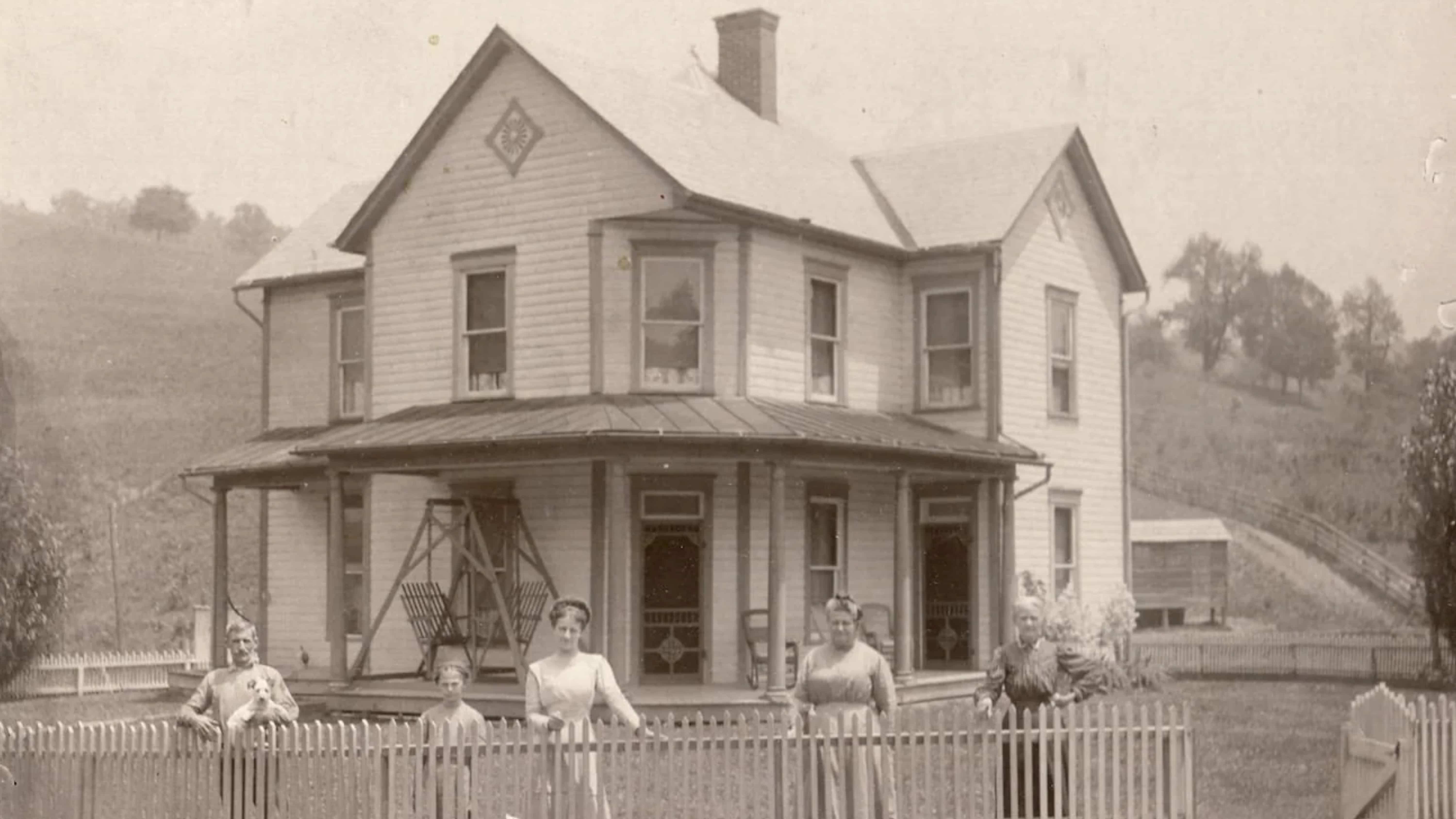
Long before a thermostat could rescue a house from an August afternoon, summer comfort required a little cooperation. Windows were opened and closed according to the hour. Families moved from one part of the house to another as the sun crossed the sky. Porches became living rooms, bedrooms migrated outdoors, and trees did work that would eventually be handed over to machinery. Houses themselves were different, too. High ceilings, deep overhangs, shutters, breezeways, and thick walls were not merely charming architectural details; many had practical jobs once the temperature climbed. Electric fans eventually made the routine easier, and evaporative coolers offered welcome relief in dry parts of the country, but residential air conditioning remained expensive and uncommon for decades after it was invented. Anyone old enough to remember sleeping beside an open window or hearing a big attic fan come alive may recognize a few of these techniques. Summer was still hot. People simply learned to live around the heat instead of expecting the entire house to remain 72 degrees.
#1: Sleeping Porches
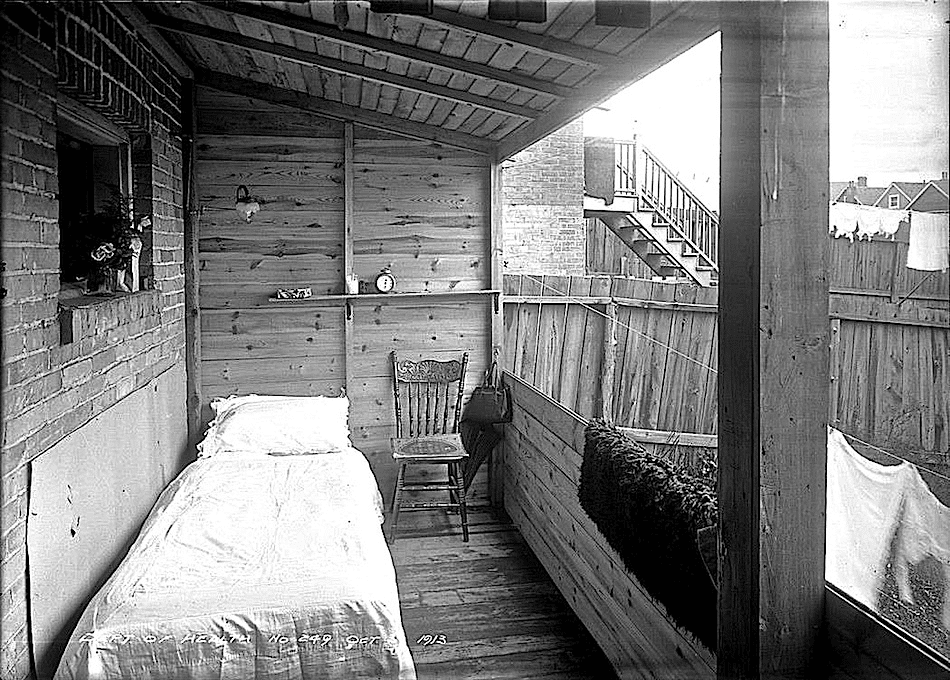
Bedtime did not always mean going upstairs to a closed bedroom. In many American homes of the late 19th and early 20th centuries, the coolest place after dark was a screened platform built specifically for sleeping. Families carried out pillows and blankets, listened to insects beyond the screens, and hoped the evening breeze would finally erase the heat stored inside the house. These spaces were often placed on an upper floor or at a corner where air could move from more than one direction.